
Accident Towing Edmonton During KDays: What Drivers Should Do After a Crash
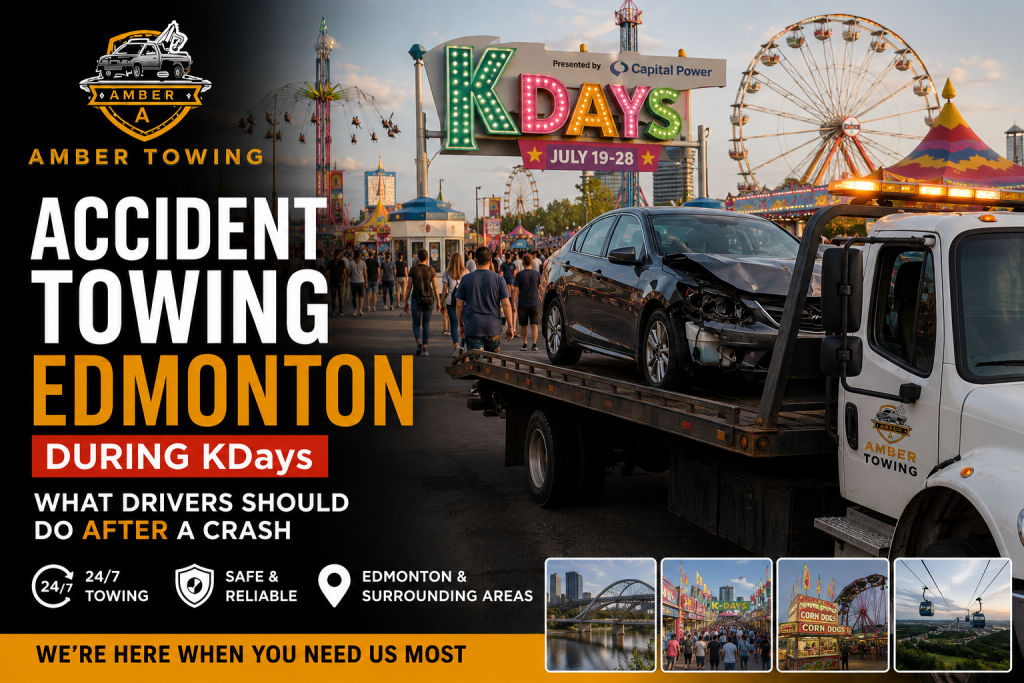
KDays is one of Edmonton’s busiest annual events, bringing thousands of visitors, concerts, midway attractions, and increased traffic throughout the city. While most trips end safely, the combination of unfamiliar drivers, road congestion, construction zones, and distracted driving increases the likelihood of collisions. If you’re involved in an accident, knowing the right steps can protect your safety, simplify your insurance claim, and reduce additional damage to your vehicle. Accident Towing Edmonton becomes an important service when your vehicle cannot be driven safely after a collision.
Whether you’re travelling along Kingsway, Yellowhead Trail, Wayne Gretzky Drive, Anthony Henday Drive, or approaching the Edmonton EXPO Centre during KDays, remaining calm and following Alberta’s collision procedures will help you make better decisions during a stressful situation.
Why Accident Towing Matters During KDays
Traffic volume during KDays is significantly higher than on a typical summer day. Visitors from across Alberta travel into Edmonton, increasing congestion around Kingsway Mall, Northlands area, Downtown Edmonton, and major connecting highways. Temporary traffic controls, event parking, pedestrian crossings, and frequent lane changes create conditions where even experienced drivers can become involved in a collision.
After an accident, many vehicles appear drivable even though hidden damage has affected steering, suspension, braking systems, or wheel alignment. Driving a damaged vehicle can make the situation worse and may even create another collision. Professional Accident Towing Edmonton services help move damaged vehicles safely without causing additional mechanical damage.
Modern vehicles contain advanced safety systems, collision sensors, cameras, and electronic steering components. A proper Flatbed Towing Edmonton service is often the safest method of transportation because all four wheels remain off the road, protecting sensitive drivetrain components and reducing the risk of further damage.
What You Should Do Immediately After a Crash
The first priority after any collision is everyone’s safety. If possible, move your vehicle to a safe location away from moving traffic. Turn on your hazard lights and check whether anyone requires medical attention. If injuries are present, call 911 immediately.
If your vehicle cannot be moved safely, remain in a protected location if traffic conditions allow and wait for emergency responders. Edmonton Police Service may attend depending on the severity of the collision, injuries, or road hazards.
Exchange information with all involved drivers, including names, driver’s licence numbers, vehicle registration, insurance details, and contact information. Take clear photographs of vehicle damage, skid marks, road conditions, weather, traffic signs, licence plates, and the surrounding area. These photographs often become valuable evidence during insurance claims.
Avoid discussing fault at the scene. Alberta insurers determine liability after reviewing available evidence, witness statements, photographs, and police reports.
How Professional Accident Towing Protects Your Vehicle
Many people assume any tow truck can safely transport a collision-damaged vehicle. In reality, accident recovery often requires specialized equipment and experienced operators who understand damaged suspension systems, broken steering components, airbag deployment, leaking fluids, and compromised structural integrity.
Professional operators assess the vehicle before loading it onto the truck. If wheels are locked, axles are damaged, or steering components have failed, specialized recovery techniques help prevent additional damage during loading.
A properly equipped Tow Truck in Edmonton can safely recover vehicles from busy intersections, parking structures, highway shoulders, construction zones, and difficult roadside locations throughout Edmonton and surrounding communities.
For severe collisions, Vehicle recovery Edmonton services may also involve winching vehicles from ditches, medians, embankments, or areas affected by poor weather conditions.
Understanding Alberta Collision Reporting Requirements
Not every collision requires police attendance, but Alberta has reporting requirements that drivers should understand. If the collision involves injuries, impaired driving, criminal activity, or significant property damage, emergency services should be contacted immediately.
When required under Alberta regulations, collisions must be reported through an authorized Collision Reporting Centre. Insurance companies typically require documentation, photographs, repair estimates, and accurate accident details before processing claims.
Keeping detailed records immediately after the collision often speeds up the claims process and reduces misunderstandings later.
Common Causes of Accidents During KDays
Heavy event traffic creates driving conditions that differ from normal daily commuting. Visitors unfamiliar with Edmonton frequently rely on GPS navigation while changing lanes at the last moment. Congested intersections increase rear-end collisions, while distracted drivers searching for parking spaces may overlook pedestrians or cyclists.
Construction activity across Edmonton during summer months can also contribute to unexpected lane closures and reduced visibility. Combined with evening concerts, changing weather, and increased pedestrian activity, these conditions require additional attention from every driver.
Rain showers are common during Alberta summers, reducing tire traction on freshly wet pavement. Even experienced drivers can lose control if following distances become too short.
How the Towing Process Works After an Accident
Once a professional towing company arrives, the operator first performs a safety inspection of your vehicle. They evaluate wheel damage, steering condition, suspension components, fluid leaks, battery condition, and whether the vehicle can be loaded conventionally or requires specialized recovery equipment.
The vehicle is then secured using professional tie-down systems designed to prevent movement during transport. Depending on the extent of damage, the vehicle may be transported to your preferred repair facility, collision centre, dealership, storage location, or another destination approved by your insurance provider.
Drivers should remove valuable personal belongings before the vehicle leaves whenever it is safe to do so. Important documents, medications, electronics, wallets, and child seats may be easier to retrieve before repairs begin.
What Factors Affect Accident Towing Costs?
Several factors influence the cost of professional accident recovery in Edmonton. Distance remains one consideration, but it is rarely the only factor. Vehicle size, collision severity, recovery complexity, traffic conditions, loading requirements, and destination all affect pricing.
A compact passenger car with minor front-end damage usually requires less recovery effort than a heavy SUV with suspension failure. Likewise, recovering a vehicle from Anthony Henday Drive during rush hour involves different operational challenges than towing a vehicle from a residential neighbourhood.
Additional services such as Winch Out Service Edmonton, vehicle recovery from a ditch, after-hours response, or specialized equipment may also influence the final cost. Choosing a reputable towing service edmonton helps ensure transparent pricing and safe transportation without unnecessary risks.
When Emergency Towing Is the Safest Option
Some collisions leave little doubt that the vehicle should not be driven. Airbag deployment, leaking fluids, broken headlights, steering damage, bent wheels, deployed seatbelt tensioners, or visible frame damage all indicate that professional towing is the safest choice.
Even when damage appears minor, unusual noises, warning lights, vibration, or difficulty steering may signal hidden mechanical problems. Continuing to drive could worsen repair costs or place occupants at greater risk.
Professional Emergency Towing IN EDMONTON allows damaged vehicles to be removed quickly from busy roads while reducing congestion and improving safety for other motorists.
Benefits of Professional Accident Towing After a Collision
Choosing professional Car Towing Edmonton services after a collision is about more than moving a damaged vehicle from one place to another. It protects your investment, keeps everyone at the scene safer, and helps prevent additional mechanical damage that could increase repair costs. A trained tow truck operator understands how to handle vehicles with damaged suspensions, broken steering components, deployed airbags, and compromised frames without creating further issues.
Another benefit is peace of mind. After an accident, most drivers are already dealing with insurance companies, arranging transportation, and checking on passengers. Having an experienced towing professional manage the recovery allows you to focus on your safety and the next steps rather than worrying about how your vehicle will be transported.
When You Should Never Drive After an Accident
Some drivers attempt to drive away because the vehicle still starts, but a running engine does not always mean a vehicle is safe to operate. Damage hidden beneath the body panels can affect braking, steering, wheel alignment, or suspension components. These problems may not become obvious until the vehicle is travelling at highway speed.
If the steering wheel feels off-centre, warning lights remain illuminated, fluids are leaking, tires are rubbing against the body, or unusual noises appear while driving, stop immediately and request Emergency towing Edmonton. Continuing to drive could create another collision or increase repair costs.
Electric and hybrid vehicles deserve additional caution after a collision because high-voltage battery systems require specialized handling. Professional operators know how to transport these vehicles safely and follow manufacturer recommendations.
Common Mistakes Drivers Make After a Crash
One of the biggest mistakes is accepting help from unauthorized tow operators who arrive unexpectedly before you have contacted your insurance company or selected your preferred towing provider. Always verify who is towing your vehicle and understand where it is being taken.
Another common mistake is forgetting to document the accident scene. Clear photographs of the vehicles, road conditions, weather, traffic signs, and visible damage can make the insurance process much smoother. It is also important to remove valuables such as wallets, electronics, medications, work equipment, and personal documents before your vehicle leaves the scene.
Drivers sometimes delay contacting their insurer because they believe the damage is minor. Reporting the collision promptly allows your insurance provider to explain your coverage, recommend approved repair facilities if applicable, and begin processing your claim.
Expert Advice for Handling Heavy KDays Traffic
KDays attracts visitors from across Alberta and neighbouring provinces, creating driving conditions that differ from normal daily commuting. Expect heavier traffic on Kingsway Avenue, Princess Elizabeth Avenue, Yellowhead Trail, Wayne Gretzky Drive, and roads surrounding the Edmonton EXPO Centre. Parking lots also become much busier, increasing the likelihood of low-speed collisions.
Plan your route before leaving home and expect delays around major event times. If possible, avoid aggressive lane changes when approaching event parking because unfamiliar drivers often slow suddenly while searching for entrances or following GPS directions.
Leave additional following distance between vehicles, especially during evening rain showers. Wet pavement combined with heavy traffic reduces stopping distances and increases the risk of rear-end collisions.
Local Edmonton Roads Where Collisions Are More Common
Edmonton experiences traffic congestion throughout the year, but large events increase pressure on major transportation routes. Anthony Henday Drive carries thousands of commuters and visitors every day, while Yellowhead Trail serves as one of the city’s busiest east-west corridors. Whitemud Drive, Calgary Trail, Gateway Boulevard, St. Albert Trail, and 97 Street also experience heavy traffic during peak travel periods.
Construction projects throughout Edmonton during the summer create changing lane configurations, temporary speed limits, and reduced shoulder space. Drivers unfamiliar with these changes may brake unexpectedly or miss exits, increasing the possibility of collisions.
Neighbourhoods such as Downtown Edmonton, Mill Woods, North Edmonton, West Edmonton, and areas surrounding the exhibition grounds often experience additional congestion during festivals and major public events.
Frequently Asked Questions
1. What should I do immediately after a vehicle accident in Edmonton?
If you’re involved in a collision, your first priority is safety. Move your vehicle to a safe location if possible, turn on your hazard lights, and check for injuries. Call 911 if anyone is hurt or if the collision creates a dangerous situation. Exchange information with the other driver, take photos of the scene, and avoid admitting fault. If your vehicle is unsafe to drive, contact a professional Accident Towing Edmonton service to transport it safely to a repair shop or collision centre.
2. When should I call an Accident Towing Edmonton service instead of driving my vehicle?
You should request professional towing whenever your vehicle has steering issues, leaking fluids, deployed airbags, broken lights, damaged suspension, or warning lights indicating possible mechanical problems. Even if the vehicle starts, hidden damage can make driving dangerous. A professional Tow Truck in Edmonton can safely recover your vehicle and help prevent further damage during transportation.
3. Is flatbed towing better after a collision?
Yes. In most collision situations, Flatbed Towing Edmonton is the safest option because the entire vehicle is lifted off the road. This prevents additional wear on damaged wheels, suspension, transmission, and drivetrain components. Flatbed towing is especially recommended for all-wheel-drive vehicles, luxury vehicles, electric vehicles, motorcycles, and heavily damaged cars following an accident.
4. How much does accident towing cost in Edmonton?
The cost depends on several factors, including the distance, type of vehicle, extent of damage, recovery difficulty, time of day, and destination. Additional services such as winching or recovering a vehicle from a ditch may increase the overall price. Reputable towing companies explain their pricing before beginning the recovery, helping drivers understand the services being provided without unexpected surprises.
5. Does my insurance cover accident towing?
Many Alberta auto insurance policies include towing coverage following a covered collision, but every policy is different. Some insurers reimburse towing expenses, while others may work directly with approved towing providers. Contact your insurance company as soon as possible after the collision to understand your coverage and follow any claim procedures they recommend before repairs begin.
6. What makes KDays a higher-risk time for vehicle accidents?
KDays attracts thousands of visitors to Edmonton, resulting in increased traffic, unfamiliar drivers, temporary road changes, busy intersections, and limited parking. These conditions often lead to rear-end collisions, lane-change accidents, and parking lot incidents. Drivers should allow extra travel time, remain patient, and stay alert for pedestrians and cyclists during the event to reduce the risk of an accident.
7. Can roadside assistance solve my problem without towing?
Yes, not every roadside emergency requires towing. Services such as Battery Boost Edmonton, Jump Start in Edmonton, Fuel Delivery Edmonton, Flat Tire Change Edmonton, and Car Lockout Service Edmonton can often get your vehicle back on the road quickly. If the problem cannot be safely repaired at the roadside, professional towing is the safest solution.
8. What information should I collect after an accident?
Collect the other driver’s name, phone number, address, driver’s licence number, licence plate, vehicle registration, and insurance information. Take photographs of all vehicles, road conditions, traffic signs, skid marks, weather conditions, and the surrounding area. If witnesses are present, politely ask for their contact information, as their statements may assist during the insurance claim process.
9. Which Edmonton areas experience heavy traffic during KDays?
Traffic usually increases around the Edmonton EXPO Centre, Kingsway, Downtown Edmonton, Wayne Gretzky Drive, Yellowhead Trail, Princess Elizabeth Avenue, and nearby event parking areas. Major routes such as Anthony Henday Drive and Whitemud Drive may also experience congestion as visitors travel to and from the event. Planning ahead and checking traffic updates can help avoid delays and reduce accident risks.
10. Why should I choose a professional towing company after a collision?
Professional towing operators use specialized equipment designed to recover damaged vehicles safely. They understand how to handle vehicles with broken steering, damaged suspensions, airbag deployment, or structural damage while minimizing further mechanical issues. Experienced operators also follow safe loading procedures, helping protect your vehicle during transport and ensuring it reaches your preferred repair facility securely.
Conclusion
A collision during KDays can be overwhelming, but knowing what to do immediately afterward makes a significant difference. Prioritizing safety, documenting the accident, following Alberta’s reporting requirements, and arranging professional towing all help protect you, your passengers, and your vehicle. Whether the collision happens on Anthony Henday Drive, Yellowhead Trail, Whitemud Drive, or a neighbourhood street, making informed decisions can reduce stress and simplify the recovery process.
If your vehicle cannot be driven safely after an accident, professional Accident Towing Edmonton services ensure it is transported without causing further damage. From Car Towing Edmonton and Emergency towing Edmonton to Local and Long-Distance Towing, Sherwood Park Towing, Beaumont Towing, Leduc Towing, and Mill Woods Towing, choosing an experienced provider gives you confidence during an already difficult situation. When you need dependable assistance anywhere in Edmonton or the surrounding communities, Amber Towing is ready to provide safe, professional, and reliable towing and roadside support whenever you need it.