
Towing Service Edmonton: Costs, Response Times, Emergency Assistance & Expert Driver Tips
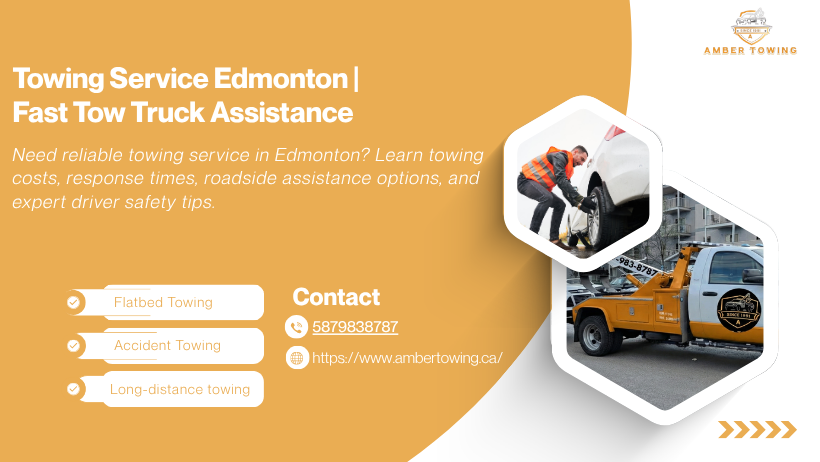
Vehicle breakdowns rarely happen at a convenient time. Whether you’re heading to work on Whitemud Drive, commuting along Anthony Henday Drive, travelling through Sherwood Park, or driving home in Beaumont during a snowstorm, unexpected mechanical problems can leave you stranded and stressed.
Many Edmonton drivers assume towing services are only necessary after a serious collision. In reality, professional towing companies assist motorists every day with flat tires, dead batteries, lockouts, fuel delivery, accident recovery, vehicle transport, and roadside emergencies.
Understanding how towing services work, what they cost, and when to call for professional help can save you time, money, and unnecessary frustration. It can also prevent further damage to your vehicle and improve your safety while waiting roadside.
As experienced towing professionals serving Edmonton and surrounding Alberta communities, we’ve assisted thousands of drivers facing breakdowns in every season and road condition imaginable. This guide explains everything drivers need to know about towing services in Edmonton, including costs, response times, emergency assistance options, and expert recommendations.
What Is a Towing Service in Edmonton?
A towing service is a professional transportation and recovery service that moves disabled, damaged, improperly parked, or non-operational vehicles from one location to another.
Professional towing companies use specialized equipment designed to transport vehicles safely while minimizing the risk of damage.
Common situations requiring towing include:
Engine failure
Transmission problems
Collision damage
Dead batteries
Flat tires
Vehicle recovery situations
Fuel shortages
Mechanical breakdowns
Winter weather incidents
A towing service in Edmonton may also include roadside assistance services that help drivers avoid towing altogether when the issue can be resolved on-site.
These services often include:
Battery boosting
Jump starts
Fuel delivery
Lockout assistance
Tire changes
Minor roadside repairs
For many drivers, roadside assistance can provide a faster and more affordable solution than transporting the vehicle to a repair facility.
How Does a Towing Service Work?
Many motorists only interact with towing companies a few times during their lives, so they often wonder what happens after making the call.
The towing process is generally straightforward.
Step 1: Contact the Towing Company
The dispatcher will typically ask:
Your exact location
Vehicle make and model
Vehicle condition
Type of problem
Number of passengers
Destination for the vehicle
Providing accurate information helps dispatch the correct tow truck and equipment.
Step 2: Tow Truck Dispatch
Based on your situation, the dispatcher assigns the appropriate vehicle.
Options may include:
Flatbed Tow Trucks
Flatbed towing is one of the safest transportation methods because the entire vehicle rides on a platform.
Flatbed towing is commonly used for:
Luxury vehicles
SUVs
All-wheel-drive vehicles
Accident-damaged vehicles
Long-distance transportation
Wheel-Lift Tow Trucks
Wheel-lift systems lift either the front or rear wheels while the remaining wheels stay on the road.
These trucks are commonly used for:
Short-distance towing
Parking situations
Standard passenger vehicles
Recovery Vehicles
Specialized recovery equipment may be required when a vehicle becomes stuck in:
Snowbanks
Ditches
Mud
Ice
Construction sites
Step 3: Arrival and Vehicle Assessment
Upon arrival, the operator performs a safety assessment.
This may include checking:
Vehicle condition
Traffic conditions
Loading angles
Tire condition
Drivetrain requirements
Proper assessment helps ensure safe loading and transport.
Step 4: Vehicle Loading
Tow operators secure vehicles using industry-approved methods.
The process typically involves:
Vehicle inspection
Wheel securement
Safety checks
Equipment inspection
Final transport preparation
Experienced operators take extra care to prevent damage during loading and unloading.
Step 5: Transport to Destination
The vehicle is transported to:
Repair shops
Collision centres
Dealerships
Home addresses
Storage facilities
Other requested destinations
The goal is safe and efficient transportation from pickup to delivery.
When Should You Call a Tow Truck in Edmonton?
Many drivers wait too long before calling for professional assistance.
Knowing when to call can prevent larger problems and improve safety.
Call a Tow Truck Immediately If:
Your Vehicle Was Involved in an Accident
Even minor collisions can create hidden mechanical issues.
Potential concerns include:
Suspension damage
Steering damage
Fluid leaks
Wheel alignment problems
Driving after an accident can sometimes make damage worse.
Your Vehicle Won’t Start
A dead battery may only require a battery boost.
However, recurring starting issues can indicate:
Alternator problems
Electrical system failures
Starter motor issues
Professional diagnosis and transport may be necessary.
You Experience Engine Failure
Warning signs include:
Smoke
Overheating
Knocking noises
Sudden power loss
Continuing to drive can lead to catastrophic engine damage.
Your Vehicle Becomes Stuck
Edmonton winters frequently create vehicle recovery situations.
Common examples include:
Snowbanks
Ice-covered roads
Residential streets
Parking lots
Rural roads
Professional winch-out service can safely recover your vehicle without causing additional damage.
Types of Towing Services Available in Edmonton
Not every towing situation is the same.
Professional towing companies offer specialized services tailored to different vehicle types and circumstances.
Emergency Towing Edmonton
Emergency towing services are available when unexpected breakdowns occur.
Examples include:
Highway breakdowns
Vehicle accidents
Mechanical failures
Dangerous roadside situations
Emergency towing is often available 24 hours a day.
Flatbed Towing Edmonton
Flatbed towing remains one of the safest transportation methods available.
Benefits include:
Reduced wear on tires
Better protection
Improved stability
Safer long-distance transport
Many luxury vehicle owners specifically request flatbed towing for maximum protection.
Car Towing Edmonton
Standard car towing services assist with:
Sedans
Hatchbacks
Crossovers
Small SUVs
This is the most commonly requested towing service in Edmonton.
Local and Long-Distance Towing
Some situations require transportation across the city, while others involve travel to neighbouring communities such as:
Sherwood Park
Beaumont
Leduc
St. Albert
Nisku
Fort Saskatchewan
Long-distance towing helps transport vehicles safely without adding mileage or wear.
Accident Towing Edmonton
Accident towing requires additional care.
Vehicles may have:
Structural damage
Suspension damage
Broken wheels
Fluid leaks
Specialized equipment helps ensure safe transportation after collisions.
Emergency Towing vs Scheduled Towing
Understanding the difference between emergency towing and scheduled towing can help drivers choose the right service and avoid unnecessary stress.
Emergency Towing
Emergency towing is required when a vehicle becomes unsafe or impossible to operate.
Common situations include:
Vehicle collisions
Highway breakdowns
Engine failure
Transmission failure
Vehicle recovery situations
Dangerous roadside locations
Emergency towing prioritizes quick dispatch and rapid response to help protect drivers and passengers.
Examples of Emergency Towing Situations
Your vehicle breaks down on Anthony Henday Drive during rush hour.
Your car overheats on Whitemud Drive.
You slide into a ditch during a winter storm.
Your vehicle is involved in an accident and cannot be driven safely.
Scheduled Towing
Scheduled towing is used when immediate assistance is not required.
Examples include:
Transporting a vehicle to a repair shop
Moving a collector vehicle
Delivering a vehicle to another city
Transporting a non-running project car
Scheduled towing allows for greater flexibility and planning.
Typical Tow Truck Response Times in Edmonton
One of the first questions drivers ask is:
“How long will it take for the tow truck to arrive?”
The answer depends on several factors.
Average Response Factors
Response times can vary based on:
Traffic conditions
Weather conditions
Road closures
Time of day
Number of active service calls
Vehicle location
Areas That May Affect Arrival Times
Tow truck arrival may vary depending on whether you are located in:
Downtown Edmonton
Mill Woods
Sherwood Park
St. Albert
Beaumont
Leduc
Nisku
Fort Saskatchewan
Remote locations and severe weather events can increase travel times.
Winter Weather Considerations
During major snowstorms, towing demand often increases dramatically.
Tow operators frequently assist vehicles experiencing:
Dead batteries
Slide-offs
Snowbank recoveries
Collision recovery
Frozen mechanical components
During severe weather, response times may be longer due to increased service demand throughout Edmonton and Alberta.
How Much Does Towing Cost in Edmonton?
One of the most searched questions online is:
How Much Does a Towing Service Cost in Edmonton?
Towing costs vary depending on the situation.
Factors that commonly influence pricing include:
Distance
Generally, longer transportation distances require more time, fuel, and equipment usage.
Factors include:
Pickup location
Drop-off location
Urban vs rural routes
Long-distance transportation needs
Vehicle Type
Larger vehicles may require specialized equipment.
Examples include:
SUVs
Pickup trucks
Commercial vans
Fleet vehicles
Heavier vehicles typically require additional resources.
Recovery Complexity
Vehicle recovery situations can increase service requirements.
Examples include:
Ditch recovery
Snowbank extraction
Mud recovery
Off-road recovery
These situations may require winching or specialized recovery equipment.
Time and Conditions
Factors such as:
Severe weather
Overnight service
Holiday demand
Heavy traffic
may influence operational requirements.
Is Cheap Towing Always the Best Option?
Many drivers search for cheap towing service Edmonton options.
While affordability matters, choosing solely based on price can create problems.
A professional towing company should prioritize:
Proper insurance
Trained operators
Safe equipment
Vehicle protection
Reliable dispatching
The lowest price does not always provide the best value when your vehicle’s safety is involved.
Edmonton Roadside Assistance Services
Not every vehicle problem requires a tow truck.
Many issues can be resolved on-site through roadside assistance services.
Battery Boosting and Jump Starts
Battery-related calls are among the most common service requests in Edmonton.
Cold Alberta winters place significant strain on vehicle batteries.
Signs of battery failure include:
Slow engine cranking
Clicking sounds
Electrical system issues
Complete failure to start
A professional battery boost may get you moving again without requiring towing.
Flat Tire Change Edmonton
A flat tire can happen anywhere.
Common causes include:
Road debris
Potholes
Tire wear
Low tire pressure
Professional tire change services help drivers return to the road safely.
Fuel Delivery Edmonton
Running out of fuel happens more often than many drivers realize.
Professional fuel delivery services can bring enough fuel to help you reach the nearest station safely.
Fuel delivery is especially valuable during:
Severe weather
Late-night travel
Rural driving situations
Car Lockout Service Edmonton
Lockouts can occur in seconds.
Common scenarios include:
Keys locked in vehicle
Lost keys
Broken keys
Faulty electronic locking systems
Professional lockout services help regain access without damaging your vehicle.
Winch Out Service Edmonton
Winch-out services help recover vehicles stuck in:
Deep snow
Ice
Ditches
Mud
Soft ground
During Edmonton winters, this service becomes especially important.
One situation we frequently encounter involves vehicles becoming stuck after attempting to drive through unplowed residential streets following heavy snowfall.
Professional recovery equipment helps remove vehicles safely while minimizing damage risks.
Common Vehicle Breakdowns in Edmonton
Tow operators often notice patterns in roadside calls throughout the year.
Winter Battery Failures
Extreme cold significantly impacts battery performance.
Many Alberta drivers discover battery issues during the first major cold snap of the season.
Flat Tires
Potholes, road debris, and seasonal temperature fluctuations can increase tire-related problems.
Alternator Failures
Drivers may notice:
Flickering lights
Battery warning indicators
Electrical problems
Ignoring these warning signs often leads to breakdowns.
Overheating Engines
Although commonly associated with summer, cooling system problems can occur year-round.
Transmission Problems
Warning signs include:
Delayed shifting
Slipping gears
Burning smells
Fluid leaks
Prompt attention can prevent more expensive repairs.
Why Professional Towing Matters
Some drivers consider towing vehicles themselves using chains, ropes, or personal trucks.
However, DIY towing introduces serious risks.
Professional Towing vs DIY Towing
Professional Towing Benefits
Specialized equipment
Proper securement procedures
Insurance protection
Experienced operators
Reduced vehicle damage risk
DIY Towing Risks
Brake failure
Loss of control
Equipment failure
Vehicle damage
Liability concerns
Many modern vehicles require specific towing procedures due to advanced drivetrain systems.
Improper towing can result in expensive repairs.
Expert Driver Safety Tips While Waiting for a Tow Truck
Your safety should always be the top priority.
If Possible, Move Off the Road
Move to a safe location away from traffic whenever conditions allow.
Activate Hazard Lights
Hazard lights help improve visibility.
Stay Visible
At night or during poor weather, visibility becomes especially important.
Avoid Standing Near Traffic
One mistake tow operators often see is drivers standing too close to moving vehicles.
Maintain a safe distance whenever possible.
Gather Important Information
While waiting, prepare:
Vehicle information
Location details
Insurance information
Contact information
This can help streamline the service process.
Edmonton Winter Towing Challenges
Winter creates unique challenges for both drivers and towing professionals.
Reduced Traction
Ice-covered roads increase accident risks.
Deep Snow
Heavy snowfall can trap vehicles quickly.
Battery Problems
Cold temperatures reduce battery efficiency.
Reduced Visibility
Blowing snow and freezing fog can make roadside situations more dangerous.
Increased Demand
Major winter storms frequently generate a surge in towing and roadside assistance requests throughout Edmonton and surrounding communities.
During Edmonton winters, preparation can significantly reduce the likelihood of needing emergency assistance.
Professional Recommendations: When Should You Call a Towing Company?
Many drivers try to solve roadside problems themselves. While minor issues can sometimes be handled safely, there are situations where professional assistance is the safest and most cost-effective option.
Call a Professional Towing Service When:
Your vehicle is unsafe to drive.
You have been involved in an accident.
Warning lights indicate serious mechanical issues.
Your vehicle is stuck in snow, mud, or a ditch.
The engine overheats repeatedly.
The transmission stops functioning properly.
A wheel, suspension component, or steering system is damaged.
You require long-distance vehicle transportation.
One mistake many drivers make is attempting to drive a damaged vehicle “just a few more kilometres.” In many cases, this can increase repair costs and create additional safety risks.
Common Mistakes Drivers Make After a Breakdown
Tow operators frequently encounter situations that could have been avoided with better roadside decisions.
1. Remaining Too Close to Traffic
Standing beside a disabled vehicle on a busy roadway can be dangerous.
If conditions allow, move to a safe location away from moving traffic.
2. Ignoring Warning Signs
Drivers often continue driving despite:
Overheating warnings
Low oil pressure alerts
Transmission issues
Brake warnings
Ignoring these indicators can result in significant mechanical damage.
3. Attempting Unsafe DIY Towing
Using ropes, chains, or unapproved towing methods can damage vehicles and create hazards for other motorists.
4. Not Providing Accurate Location Information
Dispatchers rely on accurate location details to send assistance efficiently.
Landmarks, road names, and nearby intersections help reduce delays.
5. Waiting Too Long to Request Help
Many drivers hope the problem will resolve itself.
Unfortunately, delays often worsen the situation.
6. Forgetting Winter Emergency Supplies
Edmonton winters can create long wait times during severe weather events.
Keeping emergency supplies in your vehicle is highly recommended.
Suggested items include:
Warm blankets
Gloves
Flashlight
Portable charger
Water
Frequently Asked Questions About Towing Services in Edmonton
1. What is a towing service in Edmonton?
A towing service transports disabled, damaged, stuck, or non-operational vehicles safely from one location to another.
2. How much does towing cost in Edmonton?
Costs vary depending on distance, vehicle type, recovery complexity, and service requirements.
3. How quickly can a tow truck arrive?
Response times depend on traffic, weather, location, and service demand.
4. Is roadside assistance different from towing?
Yes. Roadside assistance focuses on solving minor issues without transporting the vehicle.
5. Can an all-wheel-drive vehicle be towed?
Yes. Flatbed towing is often recommended for many all-wheel-drive vehicles.
6. What should I do if my car breaks down on Anthony Henday Drive?
Move to a safe location if possible, activate hazard lights, and contact professional assistance.
7. Can I request flatbed towing?
Yes. Many drivers specifically request flatbed transportation for additional protection.
8. What is a winch-out service?
A winch-out service recovers vehicles stuck in snow, mud, ice, or ditches.
9. Do towing companies provide battery boosts?
Most professional towing companies offer battery boosting and jump-start services.
10. Can I get fuel delivered if I run out of gas?
Yes. Fuel delivery services are commonly available throughout Edmonton.
11. What happens after an accident?
A tow operator can safely transport the vehicle to a repair facility, collision centre, or destination of your choice.
12. Can a tow truck unlock my vehicle?
Many towing companies provide professional lockout assistance.
13. Is towing available during snowstorms?
Yes. However, response times may increase due to higher demand and weather conditions.
14. Can motorcycles be towed?
Yes. Specialized equipment can safely transport motorcycles.
15. Is long-distance towing available?
Yes. Long-distance transportation is available for many vehicle types.
16. Can a damaged vehicle be transported safely?
Professional operators use secure loading procedures to minimize transportation risks.
17. Do towing companies operate 24 hours?
Many Edmonton towing providers offer 24-hour emergency assistance.
18. What information should I provide when calling?
Provide your location, vehicle information, issue description, and desired destination.
19. Should I remain inside my vehicle while waiting?
This depends on traffic conditions and safety considerations. Always prioritize personal safety.
20. Is professional towing worth it?
Yes. Professional towing helps protect your vehicle while reducing safety and liability risks.
Key Facts About Towing Services in Edmonton
Professional towing helps transport disabled vehicles safely.
Flatbed towing reduces wear on tires and driveline components.
Winter weather increases roadside assistance demand.
Battery failures are common during Edmonton cold snaps.
Winch-out services help recover vehicles stuck in snow.
Roadside assistance can often prevent unnecessary towing.
Professional operators use specialized securement equipment.
Long-distance towing reduces vehicle wear during transport.
Accurate location information speeds up dispatching.
Vehicle recovery requires specialized training and equipment.
Conclusion
When unexpected vehicle problems occur, having a trusted towing company by your side can make a stressful situation much easier to manage. Amber Towing has become a reliable choice for drivers throughout Edmonton and surrounding Alberta communities who need professional towing and roadside assistance services. Whether you’re facing a breakdown on Anthony Henday Drive, dealing with a dead battery during a cold Edmonton winter, or requiring emergency vehicle recovery after an accident, knowing who to call can save valuable time and help keep you safe.
Vehicle breakdowns can happen when you least expect them, whether you’re commuting through Edmonton, travelling along Whitemud Drive, or heading home after a long day. Understanding how towing services work, when to call for professional assistance, and what roadside solutions are available can help you respond quickly and confidently during an emergency.
From emergency towing and accident recovery to battery boosting, fuel delivery, flat tire changes, lockout assistance, and long-distance vehicle transportation, professional towing services play an important role in keeping drivers moving. Choosing an experienced towing provider helps reduce stress, prevent additional vehicle damage, and ensure your vehicle is transported safely to its destination.
Whether you need immediate roadside assistance or planned vehicle transport, dependable service matters. Amber Towing is proud to assist drivers across Edmonton, Sherwood Park, St. Albert, Beaumont, Leduc, Nisku, Fort Saskatchewan, and nearby Alberta communities with reliable towing solutions whenever help is needed.